

AI RAG Chatbot: Verifiable AI for Technical Support Teams
In Brief
AI Technology That Accelerates Technical Support
Same Sky is an electronic component manufacturer with a growing catalog of highly technical products. This growth has increased the volume and complexity of customer questions. Customer support engineers spend significant time searching thousands of datasheets and fragmented documentation, slowing response times and risking inconsistent answers.
Resource Data built an Azure OpenAI–powered RAG chatbot that retrieves and consolidates accurate product information in seconds. The chatbot supplies ~90% of the content needed for complex responses and enables faster, more consistent customer support.
Key Takeaways
AI-Assisted Support That Elevates Human Expertise
-
AI RAG Chatbot Changes How Support Work Begins
The AI powered Retrieval-Augmented Generation (RAG) chatbot replaces manual document searches with a prepared starting point for each inquiry. Support engineers begin responses with relevant information already assembled.
-
Reducing Research to Improve Answer Quality
By supplying most of the information needed for complex responses, the chatbot reduces repetitive research. Engineers spend more time validating answers and applying expertise rather than locating information.
-
Clearer Answers with Fewer Follow-Ups
Support responses are more complete and consistent across cases. Customers receive clearer answers the first time, reducing the need for clarification and repeat exchanges and reinforcing trust in Same Sky’s technical guidance
-
Transparency Enables Confident Use of AI in Support
Visible sources, such as linked datasheets and product documentation, allow engineers to verify every response. This transparency builds confidence in AI-assisted support while keeping human judgment in control
-
A Central Knowledge System That Scales Across Teams
The chatbot creates a single source of product information that multiple teams can use. Expanding access does not require rebuilding documentation or workflows, making it easy to support new teams as needs grow.
Our Client
Same Sky
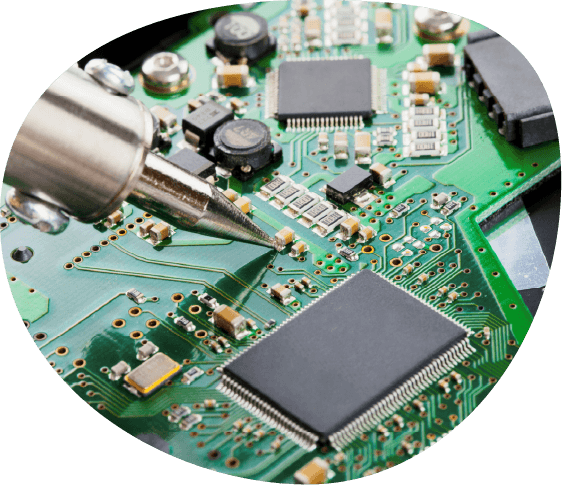
Same Sky is an electronic component manufacturer offering a wide range of Interconnect, Audio, Thermal Management, Motion, and Sensor solutions, such as connectors, audio components, cooling devices, and sensors. Their diverse and growing product portfolio serves customers across multiple industries. Engineers and customers rely on Same Sky’s extensive technical documentation, including detailed datasheets and specifications.
Resource Data has partnered with Same Sky since 2011, supporting their ongoing use of technology to improve both internal processes and customer-facing systems.

Challenges
Manual Research Slowed Technical Support Responses
As Same Sky’s product catalog expanded, customer support requests became increasingly detailed and technical. Customers routinely asked questions about specifications, performance characteristics, and proper application of electronic components, often requiring engineers to reference multiple documents to provide a complete answer. While accurate information existed, it was spread across thousands of datasheets, internal records, blog posts, and prior support exchanges, making it time-consuming to locate and verify.
Support engineers were responsible for answering these inquiries while maintaining consistency and accuracy across responses. As request volume increased, engineers spent more time searching for information and less time resolving customer questions. Without a more efficient way to find authoritative answers, response times slowed and the risk of inconsistent or incomplete support grew, putting customer satisfaction and Same Sky’s reputation at risk.
Our Approach
Designing for Accuracy, Transparency, and Adoption
Resource Data worked closely with Same Sky to understand how customer questions are researched and answered. Together, the teams identified common types of questions and the trusted documents used to answer them, including datasheets, technical documentation, and prior support materials.
The approach started by organizing and standardizing existing documentation to create a consistent, reliable starting point for answers. A small proof of concept was then created—a limited trial used to test the approach with real support questions. Feedback from Same Sky’s support team helped shape how information was presented and reviewed, allowing the team to confirm the approach before expanding it further.

The Solution
AI RAG Chatbot Built for Precision
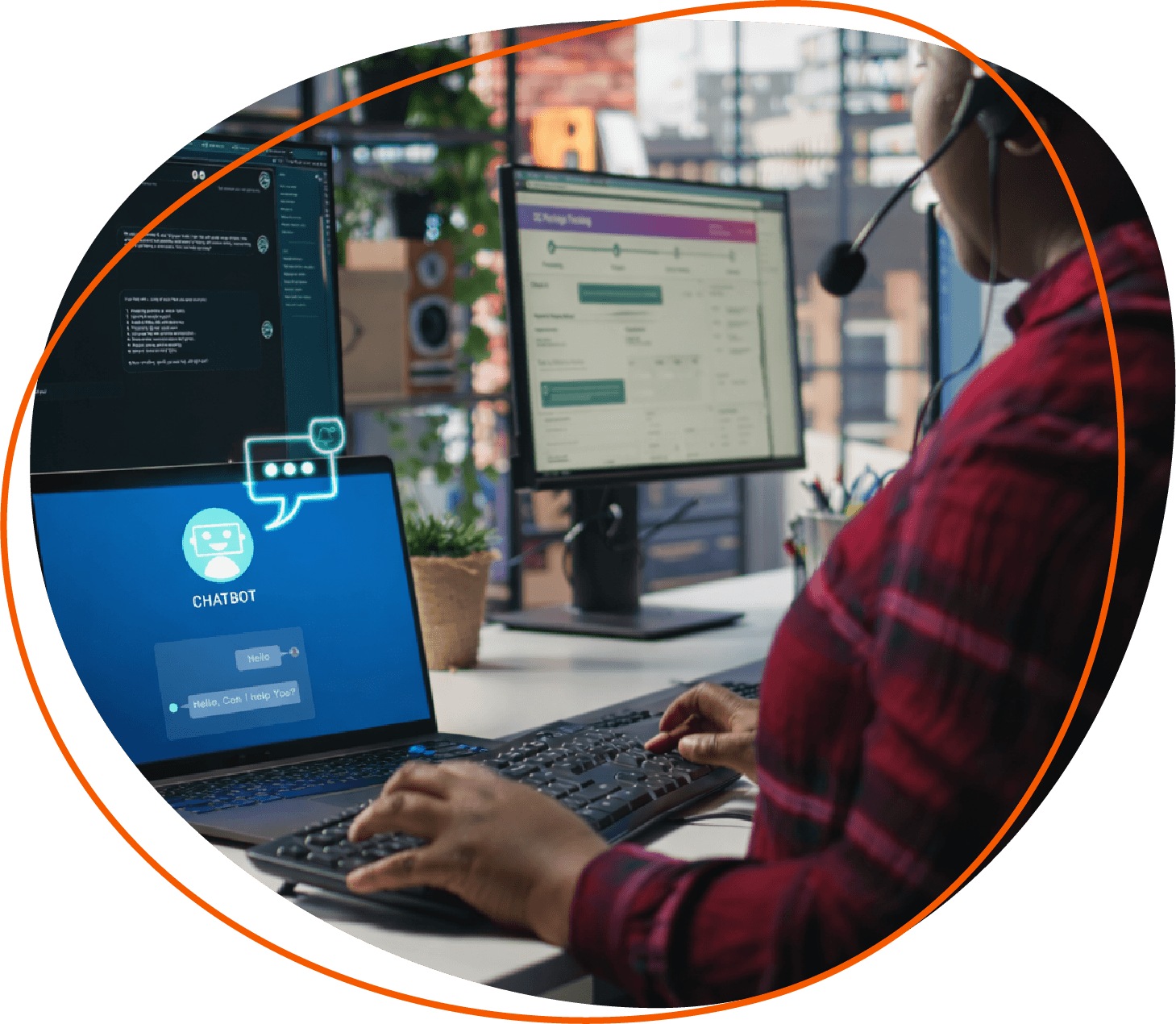
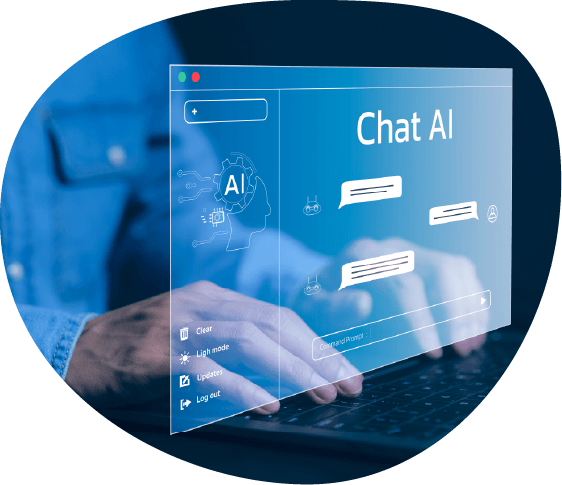
An AI-powered Retrieval-Augmented Generation (RAG) chatbot supports Same Sky’s engineers respond to complex customer questions. The chatbot interprets incoming inquiries, searches Same Sky’s internal knowledge base, and assembles draft responses grounded in authoritative product documentation.
Built using Azure OpenAI and Azure Cognitive Search, the system indexes more than 3,000 datasheets and technical resources. A multi-agent architecture retrieves information from both structured and unstructured sources, while a validation step checks answers for completeness and accuracy before presenting them with clear citations. Integrated securely within Same Sky’s Azure environment, the chatbot acts as a trusted research assistant, enabling engineers to answer customer questions more efficiently and consistently.
Features
Technology Connecting Data to Answers
-
Multi-Agent Information Retrievals for More Complete Responses
Specialized agents retrieve data from structured records and unstructured documents, allowing the chatbot to assemble thorough answers from multiple authoritative sources.
-
Validation and Self-Review Step for Reduced Errors and Omissions
Before presenting an answer, the system checks for missing details and verifies supporting sources, improving accuracy and reliability.
-
Centralized Knowledge Base Indexing for Consistent Information Access
More than 3,000 product datasheets and technical resources are indexed, ensuring engineers reference the same approved information every time.
-
Citation-Backed Responses for Transparent Verification
Each response includes clear references to source documents, allowing engineers to quickly confirm details and build confidence in the information provided.
-
Secure Azure Integration for Protected Proprietary Data
Authentication via Entra ID and Azure-based storage keep all content and interactions within Same Sky’s secure environment.
-
Usage Logging and Feedback Capture for Continuous Improvement
Query logs and engineer ratings help identify gaps, refine prompts, and improve answer quality over time.
Working with Resource Data has been an excellent experience. Their collaborative mindset, willingness to go the extra mile, and clear expertise in AI development made them a trusted extension of our team. We greatly value both their technical knowledge and their commitment to partnership.
- Jeff Schnabel, Chief Operating Officer, Same Sky
Results
Clearer, Faster Support for Engineers and Customers
With the RAG chatbot in place, Same Sky’s support engineers no longer begin each inquiry with manual research. Instead, they start with a structured, citation-backed draft that consolidates relevant product information. In early use, the system supplies roughly 90% of the content needed for complex responses, significantly reducing repetitive research and improving consistency across similar inquiries.
Customers receive clearer, more complete answers grounded in approved documentation. Responses are easier to understand and verify, resulting in fewer follow-up exchanges. Together, these improvements increase internal confidence while delivering more reliable and consistent support experience for Same Sky’s customers.
What's Next
Expanding AI Support Across More Workflows
Resource Data continues partnering with Same Sky to evolve the chatbot as support needs grow. Planned next steps include expanding the indexed knowledge base, improving answer quality through ongoing feedback, and integrating the tool more deeply into existing support systems.
As adoption expands, the chatbot can support additional customer-facing teams, creating a consistent and scalable way to deliver technical information across the organization.


Case Study FAQ
A technical support team can use AI safely by implementing a Retrieval-Augmented Generation, or RAG, chatbot that grounds every answer in approved company documentation rather than relying solely on a general language model. This matters because technical support answers often involve specifications, product compatibility, performance limits, and application guidance, where a vague or incorrect response can damage trust.
In the Resource Data case study, Same Sky needed a better way to support engineers to answer complex customer questions across a growing catalog of electronic components. Resource Data built an Azure OpenAI-powered RAG chatbot that searches Same Sky’s internal knowledge base, retrieves relevant documentation, and generates draft responses backed by source citations. The system indexes more than 3,000 datasheets and technical resources, giving engineers a verified starting point instead of requiring them to manually search fragmented content.
The operational impact is risk reduction and faster resolution. Engineers remain in control because they can review the cited sources before sending an answer, but they no longer start from scratch. That reduces the chance of hallucinated or inconsistent responses while saving time on repetitive research.
For business leaders, this makes AI more practical and less risky. Instead of deploying a generic chatbot that might produce unverified answers, a verifiable RAG chatbot improves support efficiency while protecting customer trust, technical accuracy, and brand reputation.
If technical documentation is scattered across multiple systems, the first step is not to rewrite everything, but to organize, index, and retrieve the right content through a controlled knowledge architecture. A RAG chatbot can work with both structured and unstructured sources as long as the information is accessible, indexed, and tied to authoritative references.
In the Same Sky case study, accurate information already existed, but it was fragmented across thousands of datasheets, internal records, blog posts, and prior support exchanges. Resource Data’s approach began by identifying the trusted documents engineers already used, standardizing the content foundation, and creating a proof of concept with real support questions before expanding the system.
This creates immediate operational value because teams do not need a perfect knowledge base before improving support workflows. The RAG chatbot turns existing documentation into a searchable, answer-ready support layer, reducing time spent hunting for information and improving consistency across responses.
The business impact is faster time-to-value and resource optimization. Instead of assigning engineers or support staff to repeatedly search disconnected sources, the organization can use AI to surface relevant information within seconds while improving documentation quality over time.
A RAG chatbot helps support engineers respond faster by preparing a source-backed draft answer that engineers can review, refine, and approve. It does not replace expert judgment; it reduces the research burden, so engineers can spend more time validating, interpreting, and applying their expertise.
In the Resource Data case study, the chatbot supplies roughly 90% of the content needed for complex support responses. That means engineers no longer begin each inquiry by manually searching through documentation. Instead, they start with a structured draft that consolidates relevant product information and includes citations to supporting materials.
This is especially valuable in technical support environments where answers are rarely a simple yes or no. Engineers often need to compare specifications, confirm product behavior, and clearly explain application details. A RAG chatbot accelerates the research phase while keeping the human expert responsible for the final response.
The operational impact is efficiency without loss of control. Support teams can reduce repetitive research, improve response consistency, and shorten turnaround times while preserving the technical judgment customers expect from experienced engineers.
An AI support chatbot improves consistency by giving every engineer access to the same approved knowledge base and by requiring that answers be grounded in the same source material. Instead of each engineer searching independently and interpreting documentation differently, the system creates a common starting point for support responses.
In the Same Sky example, Resource Data indexed more than 3,000 product datasheets and technical resources into a centralized knowledge base. The chatbot retrieves from that shared foundation and provides citation-backed responses, helping engineers reference the same approved information when answering similar questions.
This improves the customer experience by providing clearer, more complete answers with fewer contradictions. The case study notes that responses became easier to understand and verify, resulting in fewer follow-up exchanges.
The business impact is reduced operational risk and improved service quality. Consistent answers lower the chance of customer confusion, reduce repeat inquiries, and help protect the company’s reputation as product complexity and support volume increase.
A verifiable RAG chatbot differs from a regular AI chatbot because it retrieves information from approved internal sources and shows where the answer came from. It differs from a traditional knowledge base in that it does not require users to manually search, compare, and synthesize information across multiple documents.
In Resource Data’s work with Same Sky, the chatbot was built using Azure OpenAI and Azure Cognitive Search. It interprets incoming support questions, searches structured and unstructured sources, assembles a draft answer, and includes clear citations to product documentation so engineers can verify the response before using it.
That combination is important for technical support because knowledge bases are often accurate but slow to use, while generic chatbots may be fast but difficult to trust. A verifiable RAG chatbot bridges that gap by making accurate information easier to retrieve, understand, and apply.
The business impact is both efficiency gain and risk reduction. Teams save time because the AI handles the initial pass of research, while the citation layer reduces the risk of unsupported answers, hallucinations, or inconsistent technical guidance.
A company is ready for a RAG chatbot when it has recurring technical questions, valuable documentation, and support teams spending too much time searching for answers. Perfect data maturity is not required, but there must be enough trusted source material for the chatbot to retrieve and cite.
The Resource Data case study clearly shows this readiness pattern. Same Sky had a growing product catalog, increasingly complex customer questions, and support engineers who spent significant time searching for thousands of technical resources. Resource Data began with a proof of concept using real support questions, then used engineer feedback to refine how answers were presented and verified.
For a CFO or business sponsor, the readiness question is whether support inefficiency is creating measurable costs, delays, or customer experience risks. For a Director of IT, the question is whether the organization has the right data access, security model, and integration environment. For an operations leader, the question is whether the workflow problem is painful enough for teams to adopt the process.
The business impact is faster and safer for AI adoption. By starting with a focused support use case, organizations can demonstrate value, reduce implementation risk, and lay the foundation for broader AI-enabled knowledge management.
Proprietary product data can be protected by deploying the chatbot in a secure cloud environment, controlling access via authentication, and keeping indexed content within approved enterprise systems. Security should be part of the architecture from the beginning, not added after the chatbot is already in use.
In the Same Sky case study, Resource Data securely integrated the chatbot within Same Sky’s Azure environment. The system uses Azure-based storage and authentication through Microsoft Entra ID, helping to keep content and interactions within Same Sky’s controlled environment.
This is especially important for manufacturers, technology companies, and other organizations with sensitive documentation, product specifications, customer records, or proprietary engineering data. A RAG chatbot should improve access for authorized users without exposing confidential information outside the organization.
The business impact is reduced security and compliance risk. Secure integration allows companies to gain the efficiency benefits of AI-assisted support while protecting intellectual property, customer trust, and internal governance requirements.
A RAG chatbot improves over time when usage data, engineer feedback, and answer-quality reviews are built into the operating model. The initial launch lays the foundation, but continuous improvement makes the system more accurate, useful, and aligned with evolving support needs.
In the Resource Data case study, the chatbot includes usage logging and feedback capture. Query logs and engineer ratings help identify knowledge gaps, refine prompts, and improve answer quality. Resource Data and Same Sky also planned next steps, including expanding the indexed knowledge base, improving answer quality through feedback, and integrating the tool more deeply into existing support systems.
This matters because support questions change as products evolve, customer needs shift, and documentation grows. A static chatbot becomes outdated, but a feedback-driven RAG system can keep improving as teams use it.
The operational impact is scalability and long-term efficiency. The organization can expand the chatbot to additional teams or workflows without rebuilding everything, creating a more consistent and cost-effective way to deliver technical information across the business.
You justify the cost of a RAG chatbot by demonstrating how it reduces the hidden inefficiencies, risks, and scalability limits in your current support model. Even if support is “working,” it may still rely on manual research, inconsistent answers, and highly skilled employees spending time on repetitive tasks.
In the Resource Data case study, Same Sky’s support engineers were already answering customer questions, but they were doing so by manually searching through thousands of datasheets and technical documents. By implementing a verifiable RAG chatbot, Resource Data enabled the system to generate roughly 90% of a support response using indexed documentation, dramatically reducing the time required to produce accurate answers. This reframes support from a labor-intensive process into a technology-assisted workflow.
From a financial perspective, the value comes from efficiency gains, not just headcount reduction. Engineers can handle more requests in less time, reduce back-and-forth with customers, and avoid duplicated effort across the team. This improves cost per ticket and increases throughput without increasing staffing levels.
The business impact is cost avoidance and scalability. Instead of hiring additional support staff as demand grows, organizations can absorb more volume with the same team, improve response quality, and reduce the risk of costly errors, making the investment both defensible and measurable.
Adopting a RAG chatbot typically requires a shift from “search-first” workflows to “review-and-validate” workflows, where support teams start with an AI-generated draft and refine it rather than building responses from scratch. The core change is not how teams think, but how they access and use information.
In the Resource Data case study, Same Sky’s engineers moved from manually searching across thousands of documents to using the chatbot as a starting point for responses. The system retrieves relevant content, assembles a draft answer, and provides citations, allowing engineers to validate and adjust before sending. This keeps the human expert in control while eliminating repetitive research steps.
Operationally, this reduces friction in daily work. Instead of switching between multiple systems, opening documents, and piecing together answers, support staff interact with a single interface that consolidates knowledge. Over time, teams become faster and more consistent because they rely on a shared, AI-assisted process.
The business impact is improved efficiency and team productivity. Support leaders can increase output without increasing workload, reduce burnout from repetitive tasks, and improve service quality, all of which contribute to better customer satisfaction and lower operational costs.
From an IT perspective, integrating a RAG chatbot requires three core components: a secure cloud environment, a data retrieval layer that can index and search internal content, and integration points (APIs) that connect the chatbot to existing systems such as knowledge bases and support tools.
In the Resource Data case study, the solution was built using Azure OpenAI and Azure Cognitive Search, with secure authentication through Microsoft Entra ID. This architecture allows the chatbot to retrieve data from approved sources, generate responses, and keep all interactions within a controlled enterprise environment. The design reflects a modular, integration-first approach rather than a standalone tool.
The technical effort is less about replacing systems and more about connecting existing systems effectively. Organizations do not need to rebuild their entire stack; they need to make their existing knowledge accessible and usable through the AI layer. This aligns with modern system integration and data platform strategies.
The business impact is reducing implementation risk and faster deployment. IT teams can deliver a high-value AI capability without major system disruption, while maintaining security, scalability, and governance, key concerns for technical leadership evaluating total cost of ownership.
The biggest risks of implementing AI in technical support include inaccurate or hallucinated answers, lack of transparency in how answers are generated, and potential exposure of sensitive or proprietary information. These risks can lead to customer dissatisfaction, operational errors, and compliance issues.
In the Resource Data case study, these risks are addressed through a verifiable RAG approach that grounds every response in approved documentation and provides citations for validation. Engineers can see exactly where the information came from, which removes the uncertainty associated with “black box” AI systems. Additionally, the system is deployed within a secure Azure environment, ensuring that sensitive data remains protected.
This combination of verifiability and security transforms AI from a potential risk into a controlled, auditable system. Instead of blindly trusting outputs, users can confirm accuracy before acting, which is critical in technical and customer-facing contexts.
The business impact is risk reduction and increased trust. Organizations can adopt AI without exposing themselves to reputational damage, incorrect guidance, or compliance violations, enabling safer scaling of AI across support operations.
Starting with a RAG chatbot in technical support creates a foundation for broader AI-driven access to knowledge across the organization. Once the system is connected to trusted data sources and integrated into workflows, the same architecture can be extended to other teams that rely on complex information.
In the Resource Data case study, the initial focus was on improving support engineers’ ability to answer technical questions using product documentation. However, the underlying system, indexed knowledge, retrieval layer, and AI generation, can be applied to other use cases such as sales enablement, internal IT support, training, and operations. The roadmap outlined includes expanding the knowledge base, improving answer quality, and integrating more deeply with business systems.
This expansion works because the core problem, difficulty accessing and using internal knowledge, is not unique to support teams. Many departments face similar challenges, and a RAG-based system provides a scalable way to solve them across the organization.
The business impact is long-term scalability and higher ROI. Instead of treating the chatbot as a single-use tool, organizations can evolve it into a company-wide knowledge platform, increasing the value of the initial investment while improving productivity, consistency, and decision-making across multiple functions.