
AK WILDS: A Scalable Platform for Wildlife Research and Analysis
In Brief
A Better Way to Work with Wildlife Research Data
The Alaska Department of Fish and Game’s Division of Wildlife Conservation (DWC) relied on aging Microsoft Access tools that made it difficult to view and work with wildlife research data. As data entry needs grew across research programs, those tools could no longer keep pace.
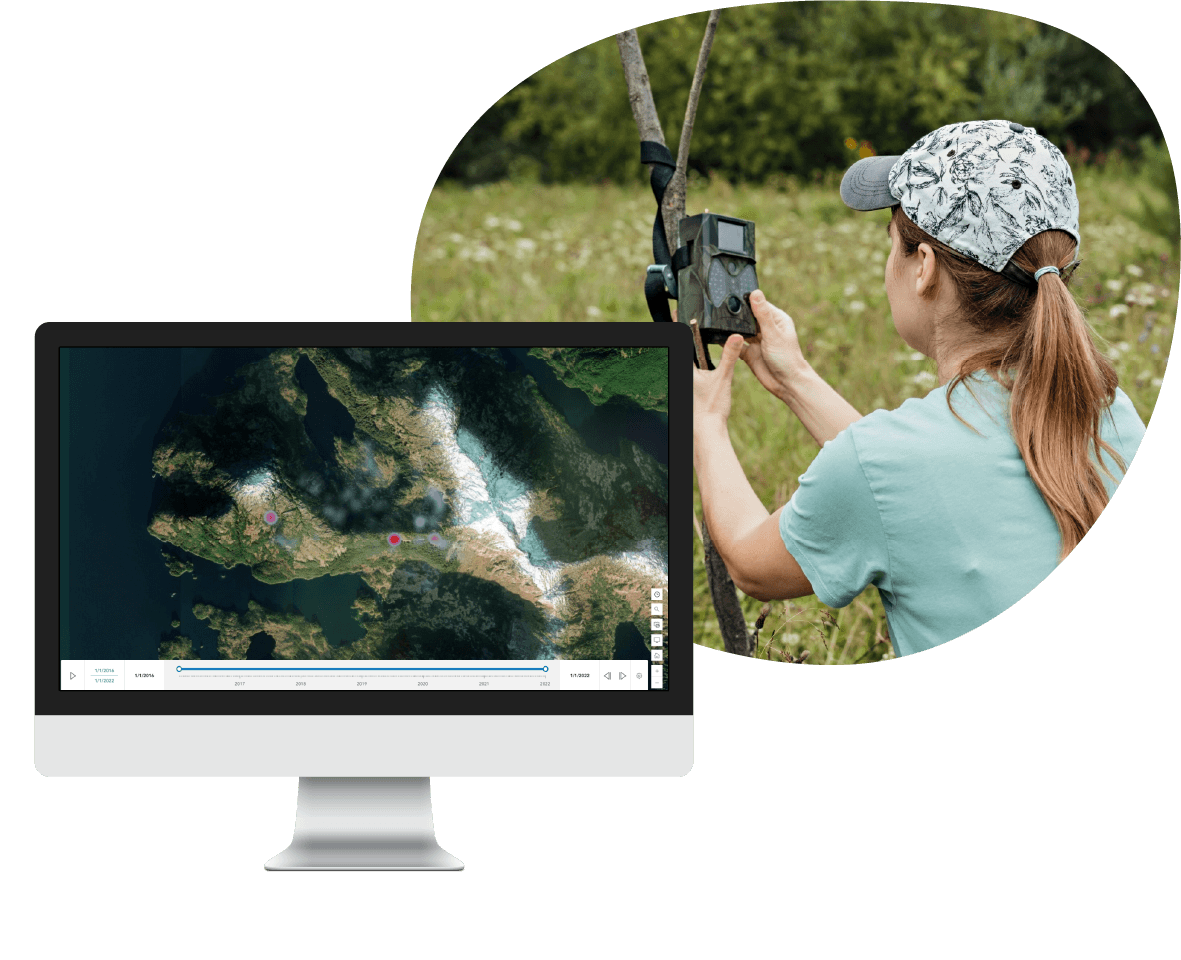
Resource Data built Alaska Wildlife Data Solutions (AK WILDS), a secure, web-based platform that modernizes how biologists enter, review, and organize wildlife field data. As telemetry volumes increased, AK WILDS was extended with Databricks to support large-scale telemetry processing and analysis. This enables the division to process millions of high-quality telemetry records much faster.
Key Takeaways
Managing Millions of Wildlife Telemetry Records in One System
-
A Single Workflow for Data Entry, Review, and Analysis
AK WILDS standardizes how information is entered and reviewed, reducing variation between programs. This gives DWC a more organized and consistent way to work across teams.
-
Databricks Lakehouse for Scalable Processing
A Databricks Lakehouse now unifies telemetry data from multiple external sources, ensuring the system stays responsive as data volume increases.
-
Faster Access to Research-Ready Data
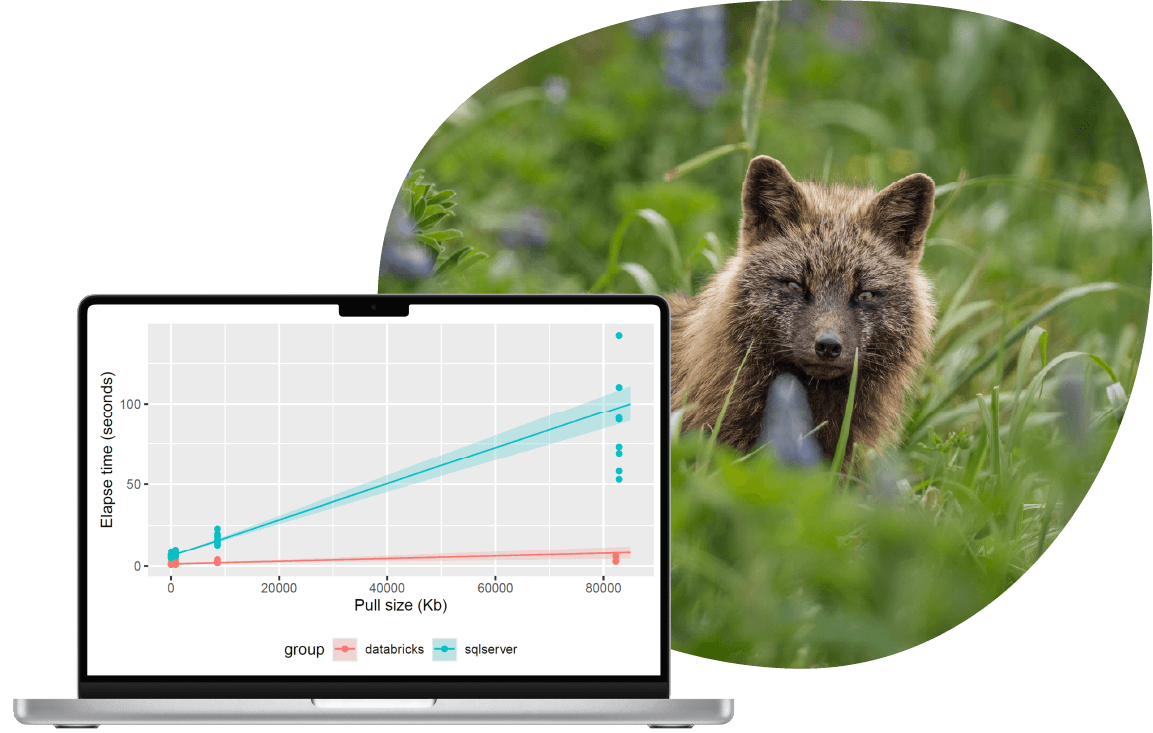
Telemetry data is standardized as it is ingested, applying consistent schemas across sources. With Databricks in place, large telemetry data pulls complete 10–20× faster, reducing time spent cleaning data and accelerating analysis.
-
Governed Analytics with Unity Catalog
Databricks Unity Catalog manages data access and permissions centrally, supporting secure, consistent analytics as datasets and users continue to grow.
-
Foundation for Advanced GIS and Reporting
The new data environment creates space for the division to add reporting dashboards, spatial tools, and other integrations as new needs emerge.
Our Client
Alaska Department of Fish and Game’s Division of Wildlife Conservation
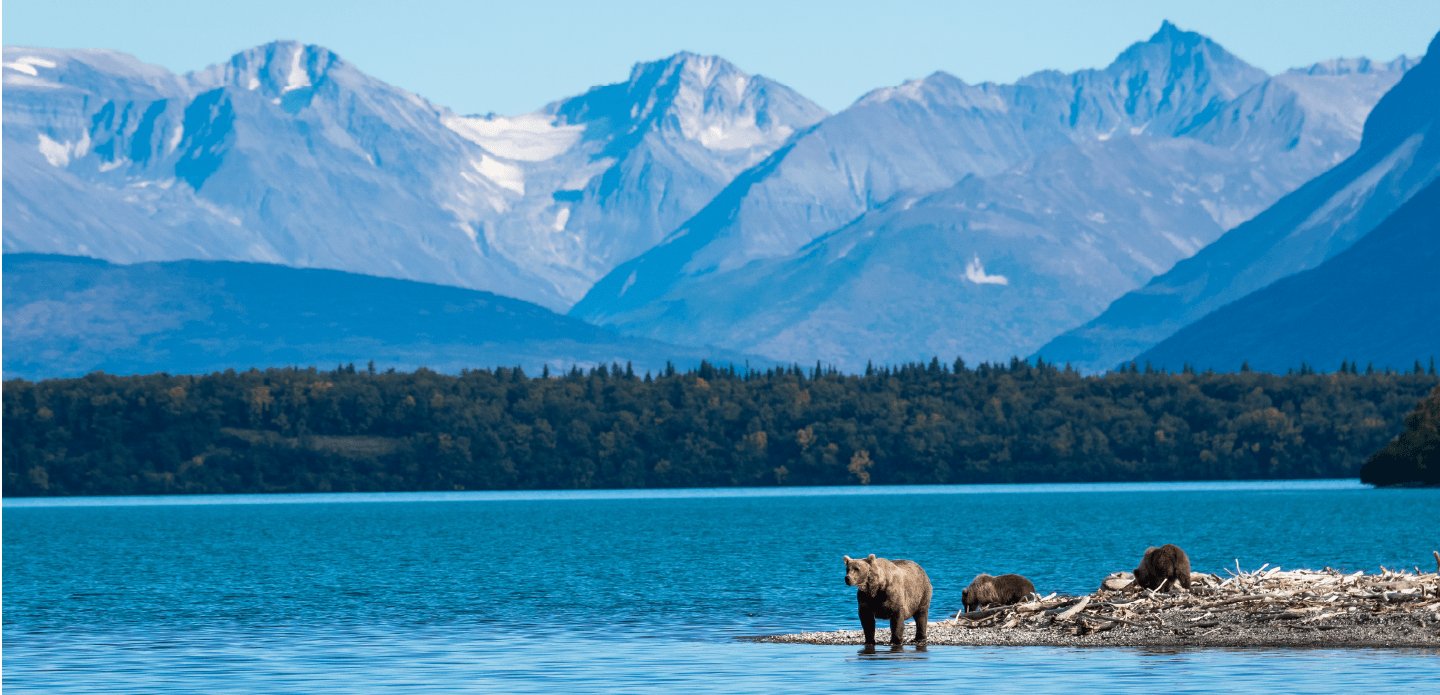
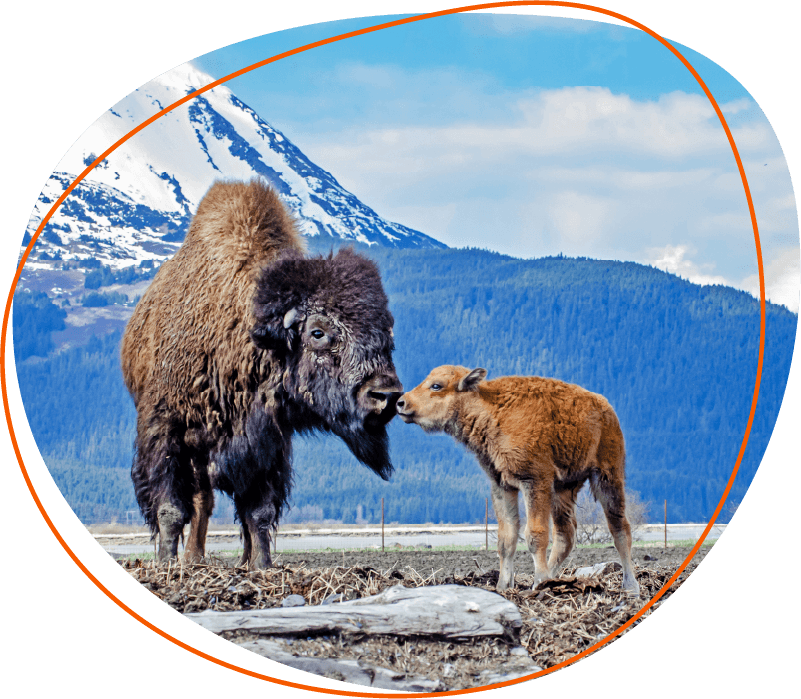
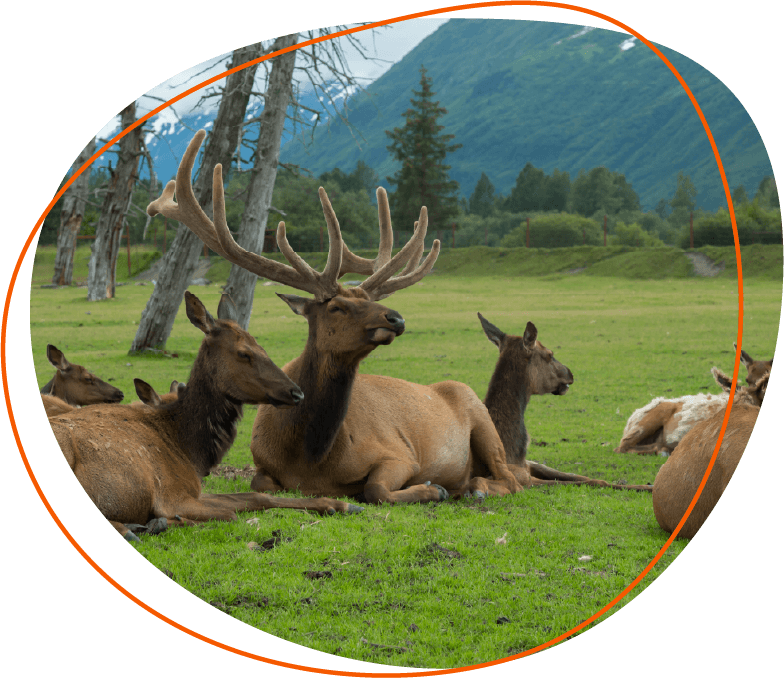
The Alaska Department of Fish and Game’s Division of Wildlife Conservation (DWC) oversees wildlife research and management across one of the largest and most remote regions in the United States. DWC biologists rely on field observations, capture records, and GPS collar data to understand species movement, population trends, and habitat use. Their work plays a vital role in understanding wildlife behavior, supporting local communities, and maintaining the long-term health of Alaska’s ecosystems.
Challenges
As Data Grew, Systems Fell Behind
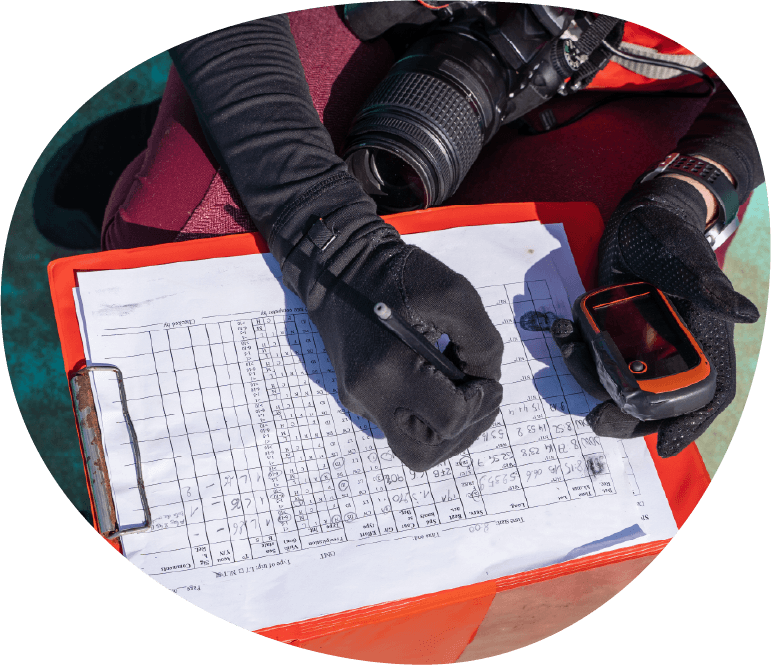
DWC’s research programs generate millions of wildlife telemetry records alongside growing volumes of field data, but the division was relying on aging Microsoft Access front-end applications that were never designed for this scale. As data from different collar vendors and field teams increased, the system became slow and difficult to manage.
Biologists often had to move between multiple tools to find the information they needed. Field data and telemetry arrived in different formats and were stored in separate systems. Before analysis could begin, data frequently needed to be cleaned, reformatted, or combined by hand. Without a shift, the division risked delays that could affect timely wildlife management decisions.
The Solution
AK WILDS, A Web Platform for Managing Wildlife Data
Resource Data designed and built Alaska Wildlife Data Solutions (AK WILDS), a custom platform for entering, reviewing, and organizing wildlife field and telemetry data for the Alaska Department of Fish and Game’s Division of Wildlife Conservation.
Developed in collaboration with State IT teams and aligned with Alaska’s security and compliance standards, AK WILDS supports biologists’ day-to-day workflows in a secure, cloud-based environment. It brings field and telemetry information together in one place, creating a more consistent and reliable way to work with data across programs and regions.
As research programs expanded, so did the number of external data sources and amount of telemetry data. To support this exponential growth, Resource Data extended AK WILDS with a Databricks Lakehouse. Delta Lake and structured data pipelines organize, clean and standardize millions of records, creating a reliable foundation for analysis across the platform.
Databricks provides a shared analytical environment where biologists can explore data using SQL, R, or Python. Unity Catalog supports consistent data access and governance as more datasets and users are added. Together, AK WILDS and Databricks support long-term reporting, analysis, and conservation efforts.
Features
Designed to Organize, Standardize, and Scale
-
Delta Lake for Reliable Data Storage
Delta Lake provides a structured storage layer for telemetry and field data. Built-in schema enforcement and versioning help prevent errors, supporting consistent data quality as new records are added.
-
Structured Databricks Pipelines for Consistent Data Preparation
Databricks pipelines ingest telemetry data from multiple external sources and apply consistent transformations as data enters the system. This standardization reduces variation between datasets and ensures information is prepared in an analysis-ready format.
-
Unity Catalog for Cohesive Data Controls
Unity Catalog helps AK WILDS control who can access data while still letting biologists analyze information in familiar tools, like SQL, R, or Python. This keeps data consistent and usable as research programs expand.
-
Telemetry Integration for Complete Data Views
Standardized, well-governed data supports reporting and analysis across programs. This foundation enables dashboards, GIS analysis, mapping, ad hoc queries, and future integrations with tools like Power BI.
-
Secure Web Interface for Field and Office Use
Telemetry feeds are integrated directly into the platform, bringing location and movement data together with field observations and capture records. This integration provides a more complete view of wildlife behavior in one place.
-
Secure Web Interface for Field and Office Use
AK WILDS provides a modern, web-based interface that biologists can access from both field and office environments. Role-based access and cloud deployment ensure data remains secure, reliable, and available wherever staff are working.
-
Metadata-Driven Forms for Easier Maintenance
A metadata-driven form framework allows data-entry fields and workflows to be updated without redeploying application code. This reduces maintenance effort and supports ongoing system evolution as research needs change.
Results
10-20x Faster Data Access. More Confident Analysis.
DWC biologists can now move more quickly from data collection to interpretation. Tasks that once required hours or days of manual data cleaning are now largely automated, allowing teams to focus more of their time on analysis.
With Databricks in place, large telemetry data pulls now complete 10–20× faster, reducing delays between data access and analysis and enabling more interactive work with large datasets.
With standardized, trusted data available across programs, teams can coordinate research more effectively statewide and maintain continuity as data volumes and research needs increase.
What's Next
Long-Term Growth for Conservation Needs
AK WILDS makes research information easier to explore and share. There are opportunities to integrate tools, such as Power BI and ArcGIS GeoAnalytics Engine, to support additional insight and visualization needs.
The division can expand research programs and data sources over time, while remaining aligned with long-term conservation priorities.


Case Study FAQ
A wildlife research organization can unify telemetry data from multiple sources by standardizing it as it enters the platform instead of trying to reconcile it later by hand. The key is to ingest data through a shared pipeline, apply consistent schemas and transformations up front, and store it in a structured environment that can keep up as source systems, record counts, and analysis needs to grow.
That approach matters because telemetry programs rarely stay simple for long. Different collar vendors, field teams, and research programs often produce data in different formats, and those differences turn analysis into a manual preprocessing exercise. A scalable architecture solves that by treating ingestion, standardization, and storage as part of the operating model, not as an afterthought. When the data is prepared in a consistent, analysis-ready format from the beginning, researchers can spend more time interpreting movement, habitat, and population patterns and less time cleaning files.
In Resource Data’s case study, AK WILDS was extended with a Databricks Lakehouse so telemetry data from multiple external sources could be ingested, cleaned, and standardized through structured pipelines, with Delta Lake providing a reliable storage layer underneath. This example shows that this kind of architecture lets a wildlife agency manage millions of telemetry records in one governed system instead of juggling disconnected datasets. The operational impact is faster access to trusted data, less manual rework, and a platform that can scale without creating new bottlenecks for biologists.
Modernizing aging Microsoft Access tools usually takes a few important elements:
– A secure web-based platform
– A clearer shared workflow for data entry and review
– A backend architecture that can support growing field and telemetry volumes without forcing teams to keep switching between disconnected tools
The practical goal is to replace fragile, front-end database applications with a system that supports current work patterns and future growth. For wildlife programs, that means bringing field observations, capture records, and telemetry into one environment; reducing variation in how data is entered and reviewed; and making the platform usable from field and office settings. It also means designing for governance, maintainability, and cloud access, so the system does not become another short-lived workaround.
In Resource Data’s case study, the Alaska Department of Fish and Game’s Division of Wildlife Conservation had outgrown its Access-based tools as data entry needs, and telemetry volumes increased. Resource Data built AK WILDS as a secure, cloud-based platform that modernized how biologists enter, review, and organize wildlife data, while also supporting long-term growth through Databricks-based telemetry processing. This case study demonstrates that modernization works best when it improves the user workflow and the underlying data foundation. This leads to a more reliable system, less dependence on fragile legacy tooling, and better continuity as programs expand.
They improve data quality and governance by making data consistency, lineage, and access control part of the platform itself rather than something each analyst has to manage alone. Delta Lake adds structured storage, schema enforcement, and versioning. Pipelines apply repeatable transformations during ingestion. Unity Catalog centralizes permissions, so access stays controlled as datasets and users increase.
That combination is especially important in research environments where data comes from many sources and needs to support operational use and downstream analysis. Without these controls, teams can end up with conflicting versions of the same dataset, inconsistent formats, and unclear rules around who can use what. A governed architecture reduces those risks by creating one trusted data environment where the preparation logic is standardized, and the security model is easier to manage.
In Resource Data’s case study, AK WILDS uses Delta Lake as a structured storage layer and Databricks pipelines to standardize telemetry records from multiple external sources. Unity Catalog is used to manage access and permissions centrally. The case study shows how those pieces work together to keep large wildlife datasets usable, secure, and analysis ready as the platform grows. Benefits include lower risk, more consistent analytics, and less time lost to quality issues that would otherwise slow research and statewide coordination.
Biologists can do that by working from a shared analytical environment built on standardized, governed source data. Instead of exporting separate copies for every tool or team, the platform should maintain one trusted data foundation and let users access it through the languages they already use for research and analysis.
This matters because tool flexibility is valuable only if the underlying data stays consistent. Wildlife teams often include users with different analytical preferences, and forcing everyone into one language can reduce adoption. But letting every group create its own unmanaged extracts creates a different problem: duplicate datasets, inconsistent assumptions, and conflicting outputs. A better model is to centralize the data layer and decentralize the analytical interface, so users can query the same governed information through SQL, R, or Python.
In Resource Data’s case study, Databricks gives Alaska’s wildlife biologists a shared environment where they can explore standardized telemetry data using SQL, R, or Python, while Unity Catalog helps keep access and governance consistent. Resource Data’s implementation shows that flexibility does not have to come at the expense of control when the platform is designed around one reliable data backbone. Results include better researcher productivity, fewer conflicting data versions, and faster movement from raw telemetry to credible analysis.
They can use one system successfully when the platform is built around the real workflow, not just the data model. That means giving staff a secure web interface they can access from field and office settings. It also requires aligning the platform to how information is entered and reviewed in practice and reducing the need to jump between tools to assemble a complete picture of a species or study.
Operationally, the shift works best when the platform brings related data together in one place and standardizes how teams use it across programs. If field observations, capture records, and telemetry live in separate systems, handoffs multiply and analysts spend too much time reconstructing context. A unified workflow improves continuity because staff can review, organize, and analyze information inside the same environment. Role-based access and cloud deployment support secure access wherever work happens.
In Resource Data’s case study, AK WILDS brought field and telemetry information together for the Alaska Department of Fish and Game’s Division of Wildlife Conservation and gave biologists a modern web-based interface for field and office use. Resource Data’s example shows that workflow modernization reduces fragmentation and creates a more consistent operating model across teams and regions. As a result, users experience smoother daily execution, less context switching, and more time available for research rather than administrative data handling.
A scalable wildlife research platform needs standardized workflows, shared data definitions, governed access, and infrastructure that can handle rising telemetry volume without slowing users down. Coordination improves when teams across programs and regions are working from the same trusted environment instead of maintaining separate processes and datasets.
In practice, scale is as much an operating model issue as a technical one. Wildlife programs often grow unevenly; they have different field teams, research priorities, and external data sources entering the mix over time. If each group uses its own conventions, statewide coordination becomes difficult, and continuity suffers. A scalable platform reduces that variation by standardizing data entry and review. It also centralizes telemetry preparation and makes the resulting data available for reporting, mapping, ad hoc queries, and future integrations.
In Resource Data’s case study, AK WILDS gave the Division of Wildlife Conservation a single workflow for data entry, review, and analysis. Databricks and Unity Catalog supported standardized, governed access as datasets and users expanded. This example shows how a platform can be designed for long-term statewide coordination rather than a narrow use case. There’s opportunity for better continuity across programs, more consistent research practices, and the ability to grow data volume and analytical needs without proportional process friction.
Metadata-driven forms make a platform easier to maintain because teams can update fields and workflows without redeploying application code every time a research need changes. That gives organizations a more flexible way to adapt data-entry processes as studies evolve, new programs come online or reporting needs shift.
This matters in wildlife research because data collection requirements rarely stay fixed. New species work, revised field protocols, changing telemetry programs, and evolving management priorities create pressure to adjust forms and workflows quickly. If every change requires code deployment, maintenance becomes slower and more expensive, and operational teams may delay needed updates. A metadata-driven approach separates routine workflow changes from deeper software changes; this improves responsiveness without forcing constant rebuilds.
In Resource Data’s case study, AK WILDS includes a metadata-driven form framework, so data-entry fields and workflows can be updated without redeploying the application. Resource Data’s implementation shows how maintainability can be designed into the platform from the start rather than treated as a future support problem. That helps with lower maintenance effort, faster adaptation to changing research requirements, and a system that can evolve with conservation work instead of holding it back.
It makes sense when the legacy application limits speed, scale, and reliability rather than serves as a useful internal tool. Common signals include:
– Growing data volumes
– Heavy manual cleanup
– Fragmented workflows
– Limited access outside a small user base
– Increasing risk that important decisions are being slowed down by the system itself
From a buyer’s perspective, the decision is about whether the current tool can still support the organization’s operating model. When teams are moving between multiple systems, reconciling inconsistent formats by hand, and struggling to keep up with expanding programs, the hidden cost of staying put starts to exceed the cost of modernization. A custom web platform becomes the better choice when it can centralize workflow, improve governance, and create a durable foundation for future analytics and integrations.
In Resource Data’s case study, the Alaska Department of Fish and Game’s Division of Wildlife Conservation had outgrown Access front-end applications that were never designed for millions of telemetry records and increasing field data demands. Resource Data replaced that model with AK WILDS, a secure web-based platform that unified workflows and later extended it with Databricks for scalable telemetry processing. This case study demonstrates that the right moment of modernization is when legacy tools begin to delay research and management decisions. Modernization benefits include reduced operational drag, better system reliability, and a stronger long-term return on data investments.
Faster access changes the value of the platform because it turns data infrastructure into decision infrastructure. When teams can move quickly from collection to interpretation, the platform stops being just a storage system; it becomes a practical tool for analysis, coordination, and timely management action.
That improvement usually comes from reducing the work between raw data arrival and usable analysis. If staff spend hours or days cleaning, reformatting, and combining telemetry records before they can ask a research question, the organization is paying a productivity penalty on every dataset. A platform that standardizes data during ingestion and supports interactive work with large datasets shortens that cycle and makes analytical capacity more usable when decisions must be made.
In Resource Data’s case study, large telemetry pulls in AK WILDS to complete 10 to 20 times faster after the Databricks extension. Tasks that once required extensive manual cleaning are now mostly automated. Resource Data’s example shows that speed helps with both convenience and the practical pace of wildlife research and management. The business and operational impact is clear: staff can focus more on interpretation, and delays between data access and analysis shrink. The organization gets more value from its scientists, systems, and data budget.
A public-sector, natural resources organization should look for a partner that can improve their immediate workflow and build a governed platform for long-term growth. That means experience with custom software, data integration, secure cloud environments, and analytical scalability. A partner should also be able to work within public-sector security and compliance expectations.
A strong partner should understand that long-term value comes from designing for evolution. Wildlife data environments change as new programs, external sources, reporting requirements, and analytical tools emerge. The right implementation partner will solve today’s data-entry problem. They will also create an architecture that can support future dashboards, spatial analysis, additional integrations, and broader research collaboration without forcing a rebuild.
In Resource Data’s case study, Resource Data worked with State IT teams to:
– Align AK WILDS with Alaska’s security and compliance standards,
– Build a secure cloud-based platform for daily biologist workflows
– Extend the new platform with Databricks, Delta Lake, and Unity Catalog as telemetry scale increased
Resource Data’s example shows the value of a partner that can connect workflow to modernization, system integration, governance, and future-ready analytics in one roadmap. This work lowers long-term risk, improves platform durability, and strengthens the foundation for conservation work as needs grow.