
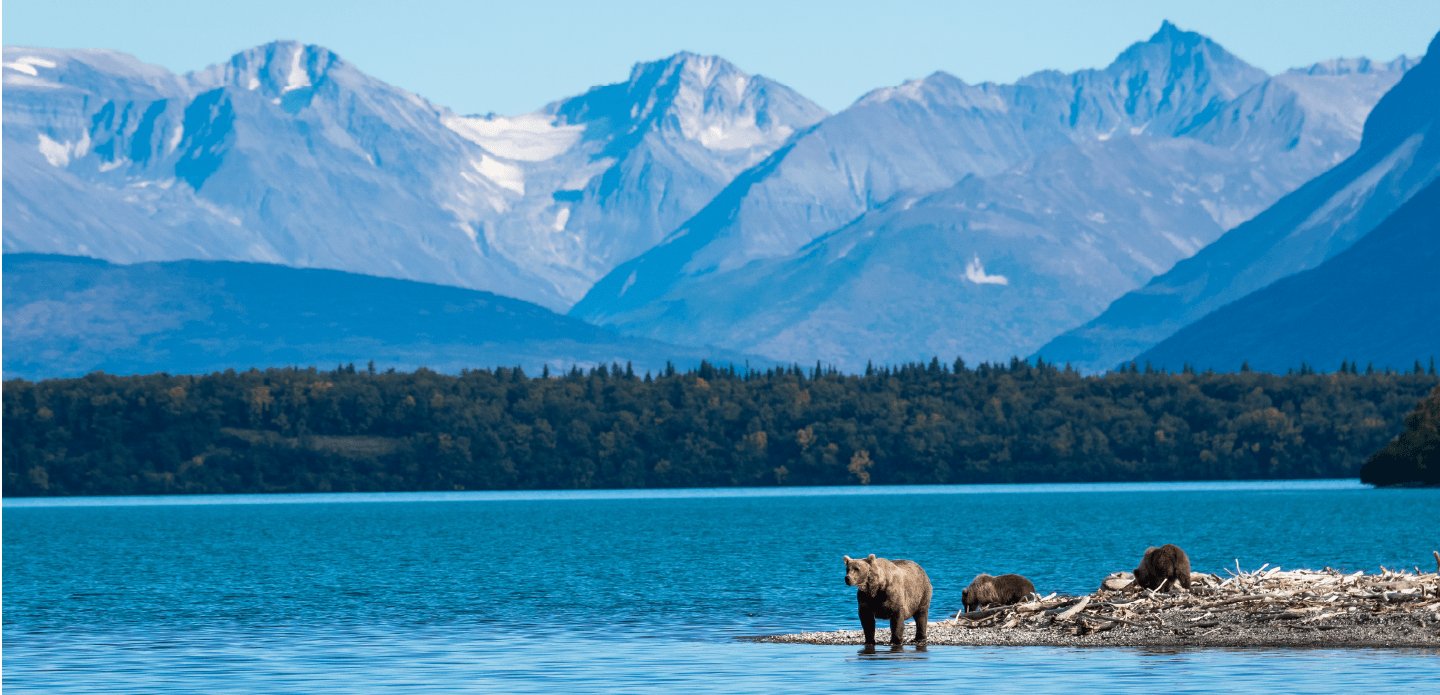
AK WILDS: A Scalable Platform for Wildlife Research and Analysis
In Brief
A Better Way to Work with Wildlife Research Data
The Alaska Department of Fish and Game’s Division of Wildlife Conservation (DWC) relied on aging Microsoft Access tools that made it difficult to view and work with wildlife research data. As data entry needs grew across research programs, those tools could no longer keep pace.
Resource Data built Alaska Wildlife Data Solutions (AK WILDS), a secure, web-based platform that modernizes how biologists enter, review, and organize wildlife field data. As telemetry volumes increased, AK WILDS was extended with Databricks to support large-scale telemetry processing and analysis. This enables the division to process millions of high-quality telemetry records much faster.
Key Takeaways
Managing Millions of Wildlife Telemetry Records in One System
-
A Single Workflow for Data Entry, Review, and Analysis
AK WILDS standardizes how information is entered and reviewed, reducing variation between programs. This gives DWC a more organized and consistent way to work across teams.
-
Databricks Lakehouse for Scalable Processing
A Databricks Lakehouse now unifies telemetry data from multiple external sources, ensuring the system stays responsive as data volume increases.
-
Faster Access to Research-Ready Data
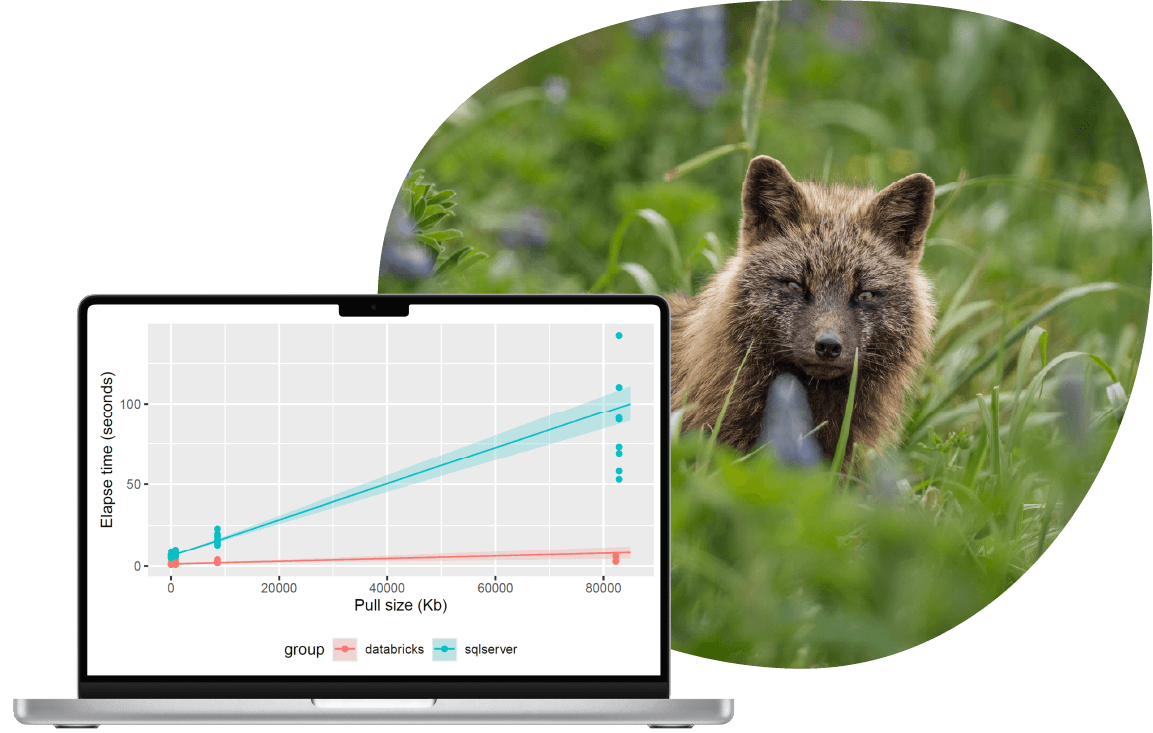
Telemetry data is standardized as it is ingested, applying consistent schemas across sources. With Databricks in place, large telemetry data pulls complete 10–20× faster, reducing time spent cleaning data and accelerating analysis.
-
Governed Analytics with Unity Catalog
Databricks Unity Catalog manages data access and permissions centrally, supporting secure, consistent analytics as datasets and users continue to grow.
-
Foundation for Advanced GIS and Reporting
The new data environment creates space for the division to add reporting dashboards, spatial tools, and other integrations as new needs emerge.
Our Client
Alaska Department of Fish and Game’s Division of Wildlife Conservation
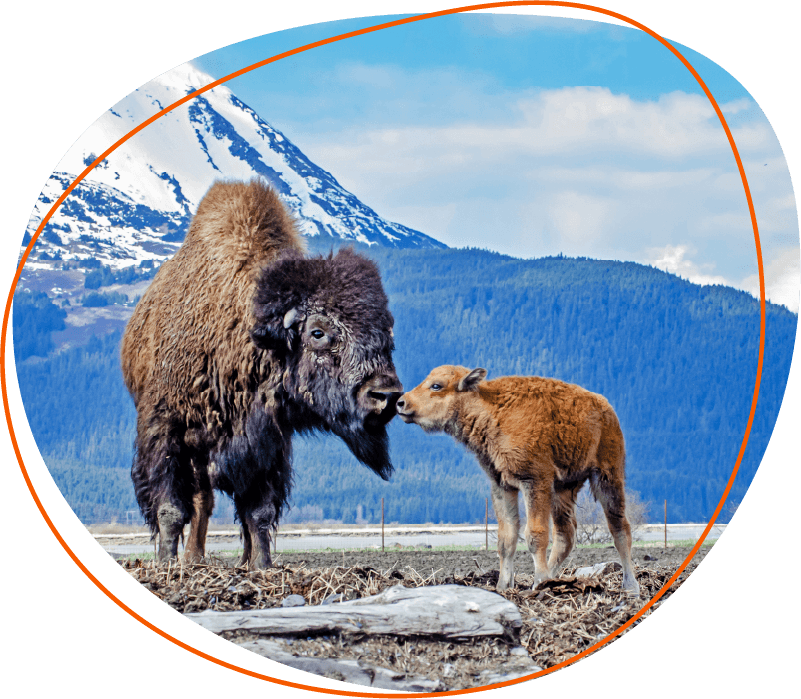
The Alaska Department of Fish and Game’s Division of Wildlife Conservation (DWC) oversees wildlife research and management across one of the largest and most remote regions in the United States. DWC biologists rely on field observations, capture records, and GPS collar data to understand species movement, population trends, and habitat use. Their work plays a vital role in understanding wildlife behavior, supporting local communities, and maintaining the long-term health of Alaska’s ecosystems.
Challenges
As Data Grew, Systems Fell Behind
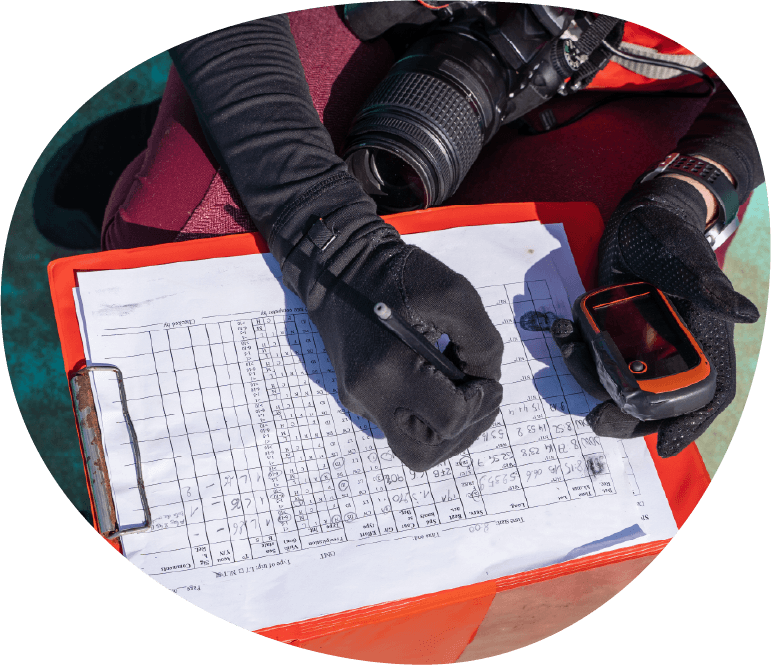
DWC’s research programs generate millions of wildlife telemetry records alongside growing volumes of field data, but the division was relying on aging Microsoft Access front-end applications that were never designed for this scale. As data from different collar vendors and field teams increased, the system became slow and difficult to manage.
Biologists often had to move between multiple tools to find the information they needed. Field data and telemetry arrived in different formats and were stored in separate systems. Before analysis could begin, data frequently needed to be cleaned, reformatted, or combined by hand. Without a shift, the division risked delays that could affect timely wildlife management decisions.
The Solution
AK WILDS, A Web Platform for Managing Wildlife Data
Resource Data designed and built Alaska Wildlife Data Solutions (AK WILDS), a custom platform for entering, reviewing, and organizing wildlife field and telemetry data for the Alaska Department of Fish and Game’s Division of Wildlife Conservation.
Developed in collaboration with State IT teams and aligned with Alaska’s security and compliance standards, AK WILDS supports biologists’ day-to-day workflows in a secure, cloud-based environment. It brings field and telemetry information together in one place, creating a more consistent and reliable way to work with data across programs and regions.
As research programs expanded, so did the number of external data sources and amount of telemetry data. To support this exponential growth, Resource Data extended AK WILDS with a Databricks Lakehouse. Delta Lake and structured data pipelines organize, clean and standardize millions of records, creating a reliable foundation for analysis across the platform.
Databricks provides a shared analytical environment where biologists can explore data using SQL, R, or Python. Unity Catalog supports consistent data access and governance as more datasets and users are added. Together, AK WILDS and Databricks support long-term reporting, analysis, and conservation efforts.
Features
Designed to Organize, Standardize, and Scale
-
Delta Lake for Reliable Data Storage
Delta Lake provides a structured storage layer for telemetry and field data. Built-in schema enforcement and versioning help prevent errors, supporting consistent data quality as new records are added.
-
Structured Databricks Pipelines for Consistent Data Preparation
Databricks pipelines ingest telemetry data from multiple external sources and apply consistent transformations as data enters the system. This standardization reduces variation between datasets and ensures information is prepared in an analysis-ready format.
-
Unity Catalog for Cohesive Data Controls
Unity Catalog helps AK WILDS control who can access data while still letting biologists analyze information in familiar tools, like SQL, R, or Python. This keeps data consistent and usable as research programs expand.
-
Telemetry Integration for Complete Data Views
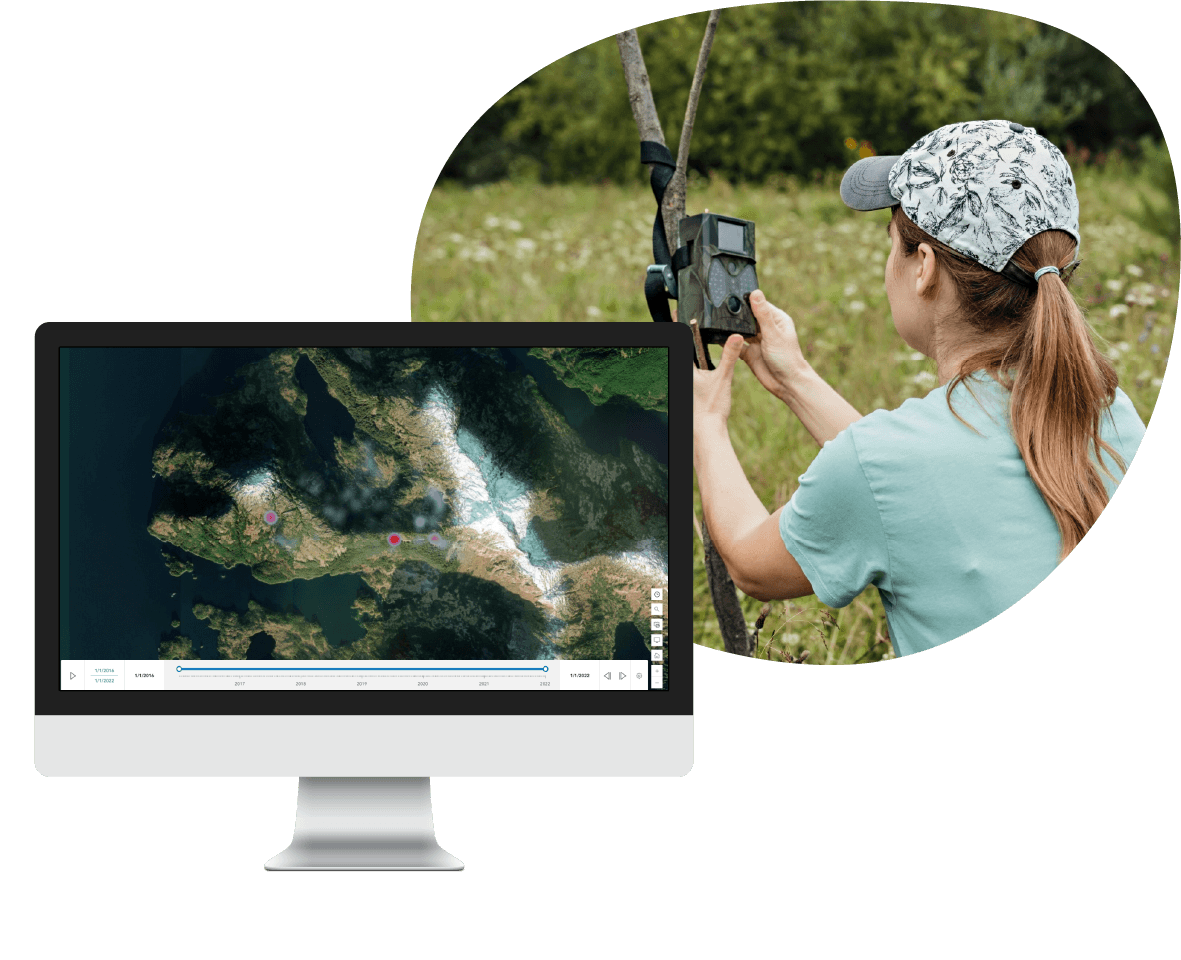
Standardized, well-governed data supports reporting and analysis across programs. This foundation enables dashboards, GIS analysis, mapping, ad hoc queries, and future integrations with tools like Power BI.
-
Secure Web Interface for Field and Office Use
Telemetry feeds are integrated directly into the platform, bringing location and movement data together with field observations and capture records. This integration provides a more complete view of wildlife behavior in one place.
-
Secure Web Interface for Field and Office Use
AK WILDS provides a modern, web-based interface that biologists can access from both field and office environments. Role-based access and cloud deployment ensure data remains secure, reliable, and available wherever staff are working.
-
Metadata-Driven Forms for Easier Maintenance
A metadata-driven form framework allows data-entry fields and workflows to be updated without redeploying application code. This reduces maintenance effort and supports ongoing system evolution as research needs change.
Results
10-20x Faster Data Access. More Confident Analysis.
DWC biologists can now move more quickly from data collection to interpretation. Tasks that once required hours or days of manual data cleaning are now largely automated, allowing teams to focus more of their time on analysis.
With Databricks in place, large telemetry data pulls now complete 10–20× faster, reducing delays between data access and analysis and enabling more interactive work with large datasets.
With standardized, trusted data available across programs, teams can coordinate research more effectively statewide and maintain continuity as data volumes and research needs increase.

What's Next
Long-Term Growth for Conservation Needs
AK WILDS makes research information easier to explore and share. There are opportunities to integrate tools, such as Power BI and ArcGIS GeoAnalytics Engine, to support additional insight and visualization needs.
The division can expand research programs and data sources over time, while remaining aligned with long-term conservation priorities.